
Bye-bye. Goodbye.
Bye, bye, bye, bye. Goodbye.
I can clap my hands.
I can stamp my feet.
I can clap my hands.
I can stamp my feet.
Bye-bye. Goodbye.
Bye, bye, bye, bye. Goodbye.
Bye-bye. Goodbye.
Bye, bye, bye, bye. Goodbye.
GOODBYE!
Bye-bye. Goodbye.
Bye, bye, bye, bye. Goodbye.
I can clap my hands.
I can stamp my feet.
I can clap my hands.
I can stamp my feet.
Bye-bye. Goodbye.
Bye, bye, bye, bye. Goodbye.
Bye-bye. Goodbye.
Bye, bye, bye, bye. Goodbye.
GOODBYE!
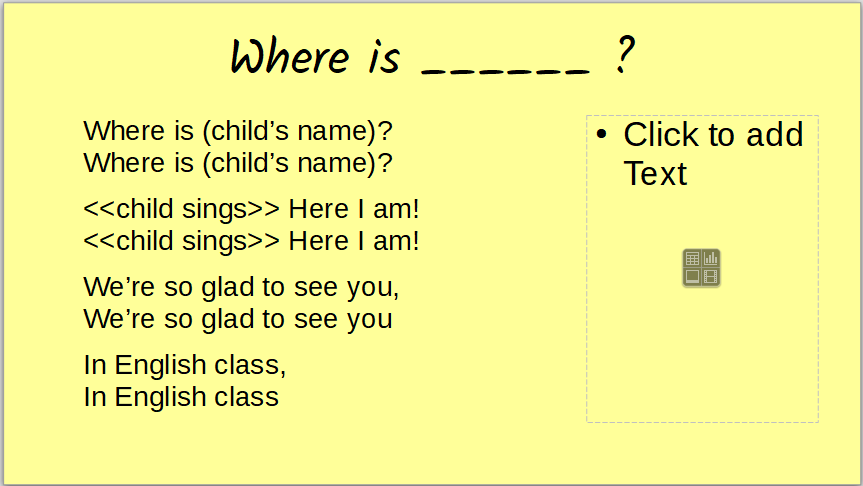
“Hello!” is our greeting song.
Hello!
Hello!
Hello, how are you?
(Repeat)
I’m good!
I’m great!
I’m wonderful!
(Repeat)
Hello!
Hello!
Hello, how are you?
(Repeat)
I’m tired.
I’m hungry.
I’m not so good.
(Repeat)
Hello!
Hello!
Hello, how are you?
(Repeat 3x)
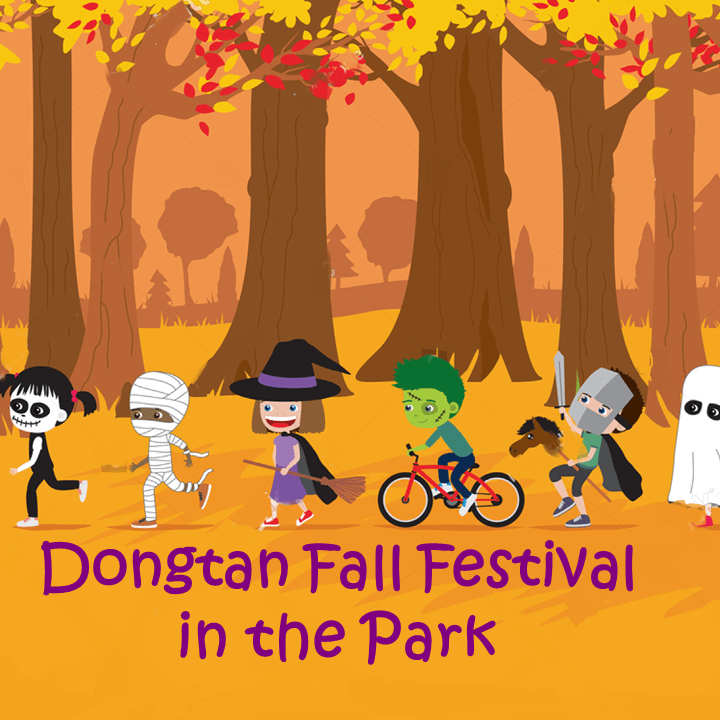
Multi-cultural families get together for a Halloween Fall Festival in Dongtan Park. The event is free and run by volunteers. Parents run and conduct events and activities.
Things to bring:
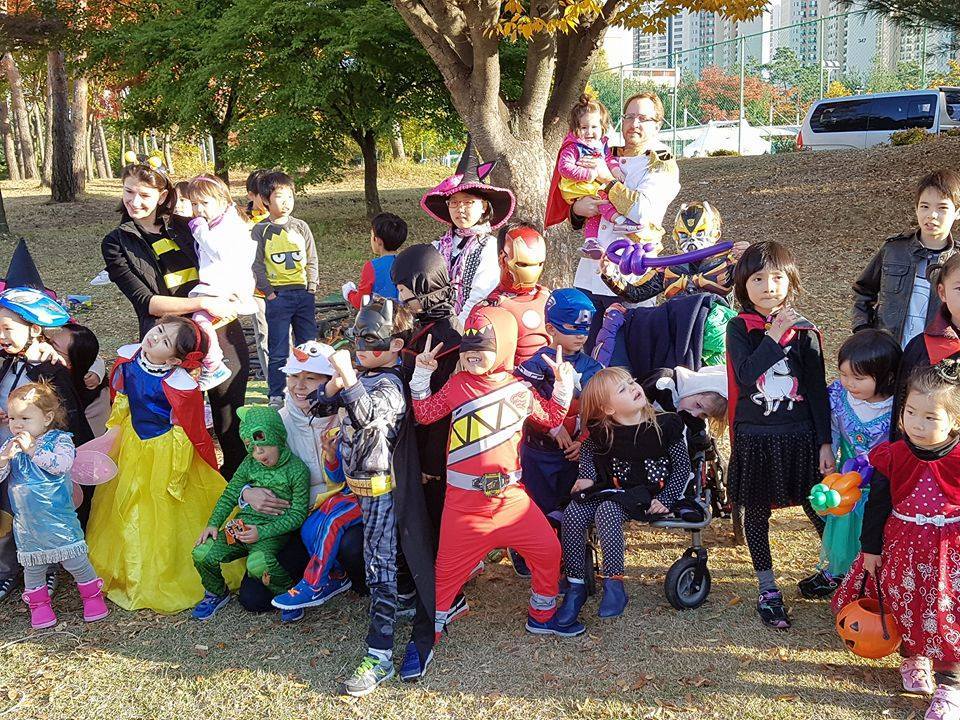
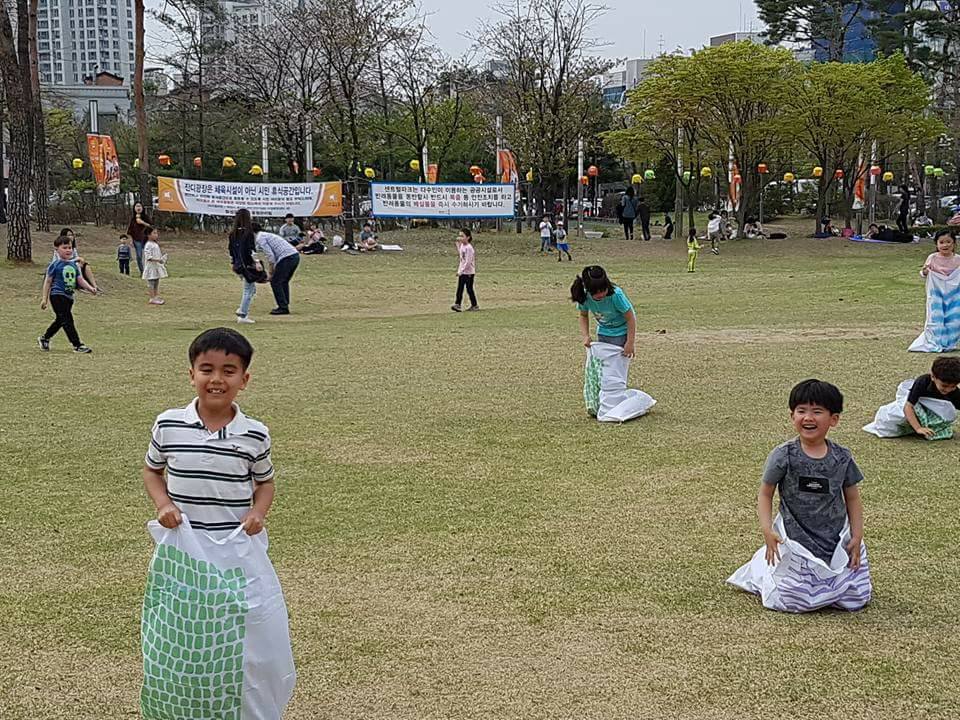
Listen for the whistle that announces when new games and events will begin. Tell your kids to follow the whistle sound to see where the game is taking place. More than one game will be happening at the same time.


(POST) Song: The Hokey Pokey
The Hokey Pokey is a participation dance with a distinctive accompanying tune and lyric structure. The Hokey Pokey is well known in English-speaking countries.
(호키 포키는 독특한 멜로디와 가사 구조를 가진 참여형 춤이다. 호키 포키는 영어권 국가들에서 잘 알려져 있다.)
The song has actions, uses “right” and “left”, and names body parts. We can sing and dance this song with as many body parts as we can thing of:
(이 노래에는 동작이 있고, “오른쪽”과 “왼쪽”을 사용하며, 신체 부위를 말한다. 우리는 생각할 수 있는 한 많은 신체 부위를 사용해 이 노래를 부르고 춤출 수 있다: )
You put your [right leg] in,
You take your [right leg] out;
You put your [right leg] in,
And you shake it all about.
You do the hokey pokey,
And you turn yourself around.
That’s what it’s all about!
[오른쪽 다리]를 넣고,
[오른쪽 다리]를 빼요.
[오른쪽 다리]를 다시 넣고,
마구 흔들어요.
호키 포키를 하고,
몸을 한 바퀴 돌려요.
그게 전부예요!
You put your [right leg] in,
You take your [right leg] out;
You put your [right leg] in,
And you shake it all about.
You do the hokey pokey,
And you turn yourself around.
That’s what it’s all about!
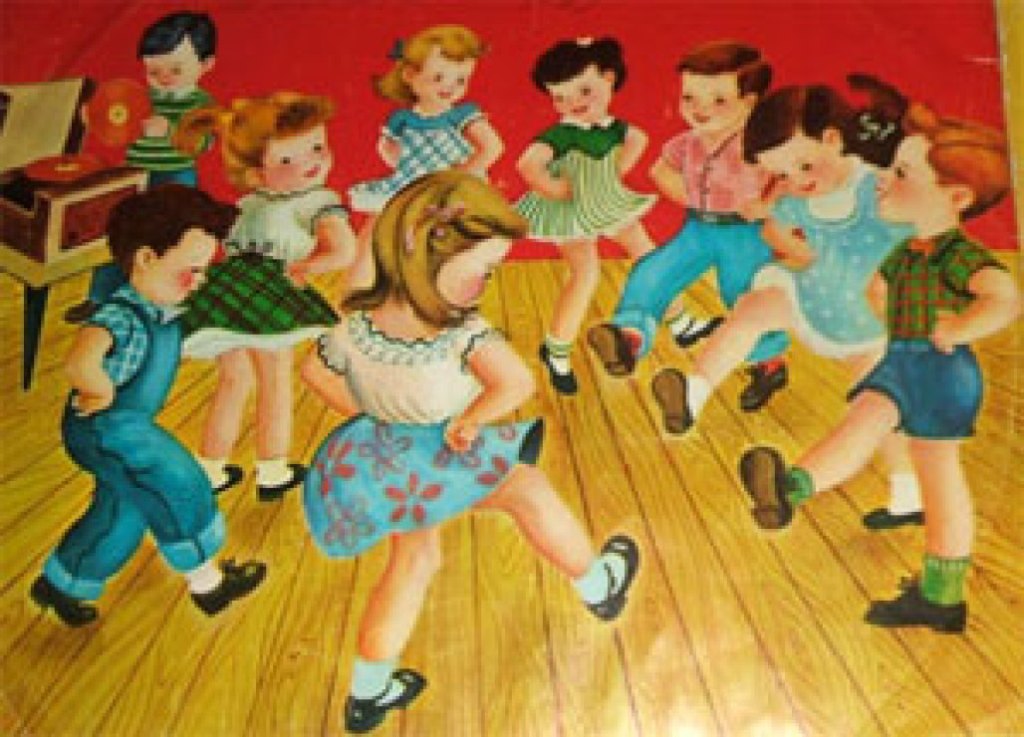
The Hokey Pokey originated in a British folk dance The song and accompanying dance peaked in popularity as a music hall song and novelty dance in the mid-1940s in the UK
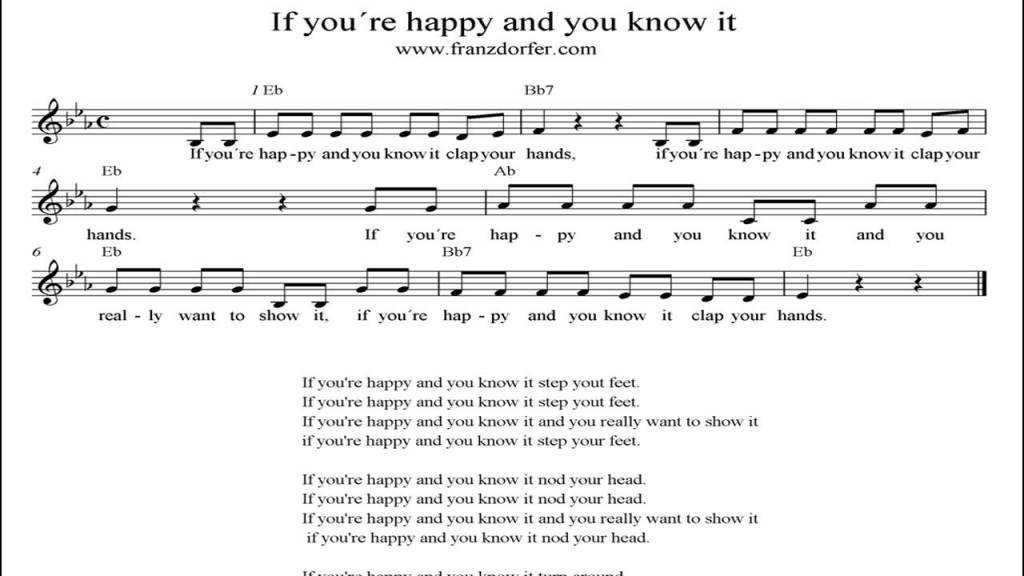
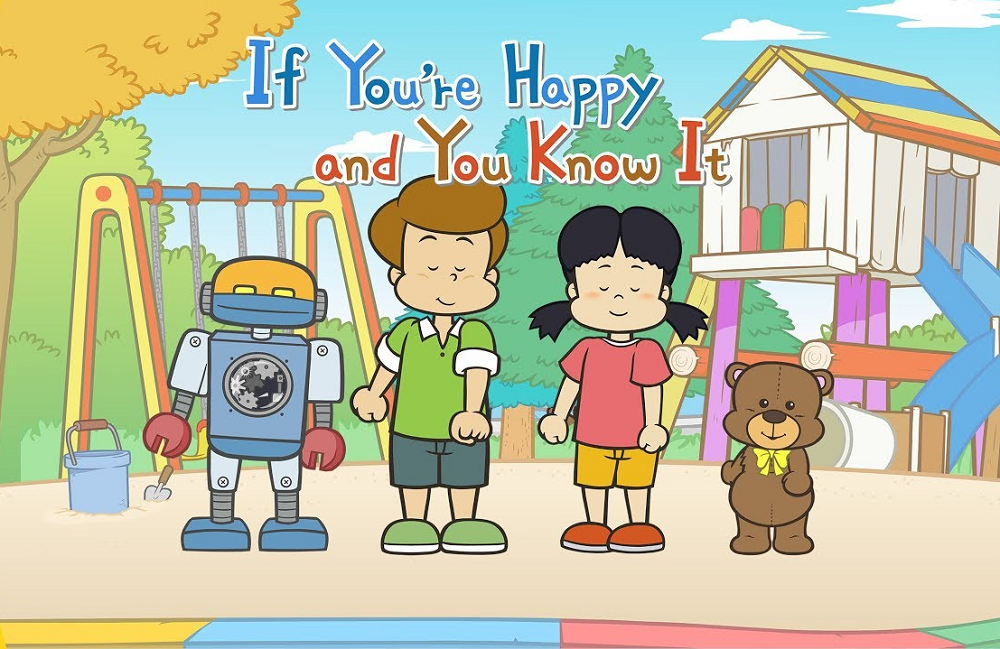
(POST) Song: If You’re Happy and You Know It
If you’re happy and you know it, clap your hands (clap clap)
If you’re happy and you know it, clap your hands (clap clap)
If you’re happy and you know it, then your face will surely show it
If you’re happy and you know it, clap your hands. (clap clap)
If you’re happy and you know it, stomp your feet (stomp stomp)
If you’re happy and you know it, stomp your feet (stomp stomp)
If you’re happy and you know it, then your face will surely show it
If you’re happy and you know it, stomp your feet. (stomp stomp)
If you’re happy and you know it, shout “Hooray!” (Hoo-ray!)
If you’re happy and you know it, shout “Hooray!” (Hoo-ray!)
If you’re happy and you know it, then your face will surely show it
If you’re happy and you know it, shout “Hooray!” (Hoo-ray!)
If you’re happy and you know it, do all three (clap-clap, stomp-stomp, hoo-ray!)
If you’re happy and you know it, do all three (clap-clap, stomp-stomp, hoo-ray!)
If you’re happy and you know it, then your face will surely show it
If you’re happy and you know it, do all three. (clap-clap, stomp-stomp, hoo-ray!)
Further Reading:
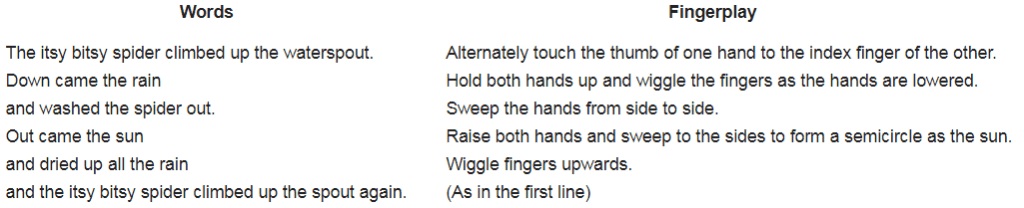
The Itsy-Bitsy Spider nursery rhyme has a fun fingerplay for small children. The fingerplay 1) improves children’s motor skills, and 2) makes a connection between the words and their meaning.
The itsy bitsy spider climbed up the waterspout.
Down came the rain and washed the spider out.
Out came the sun and dried up all the rain
And the itsy bitsy spider climbed up the spout again
“Itsy-bitsy” is another way to say “teeny-weeny”, as in tiny. Kids often say “itsy-bitsy” or “teeny-weeny”. Sometimes adults say “itsy-bitsy” and “teeny-weeny” too, usually making a small gesture between their thumb and index finger.
“I’m on a diet. I’ll have an itsy-bitsy teeny-weeny piece of birthday cake.”
I grew up with a song, “Here We Go ‘Round the Mulberry Bush”, with the same melody as “The Wheels on the Bus” but with different words:
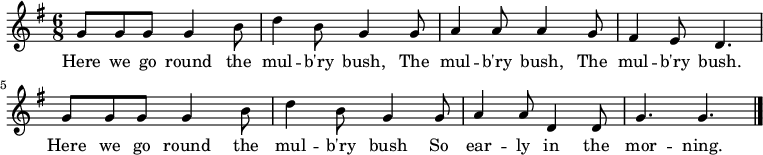
Here we go round the mulberry bush,
The mulberry bush,
The mulberry bush.
Here we go round the mulberry bush
So early in the morning.
This is the way we wash our face,
Wash our face,
Wash our face.
This is the way we wash our face
So early in the morning.
This is the way we comb our hair,
Comb our hair,
Comb our hair.
This is the way we comb our hair
So early in the morning.
This is the way we brush our teeth,
Brush our teeth,
Brush our teeth.
This is the way we brush our teeth
So early in the morning.
This is the way we put on our clothes,
Put on our clothes,
Put on our clothes.
This is the way we put on our clothes
So early in the morning.
Here we go round the mulberry bush,
The mulberry bush,
The mulberry bush.
Here we go round the mulberry bush
So early in the morning.

Further reading:
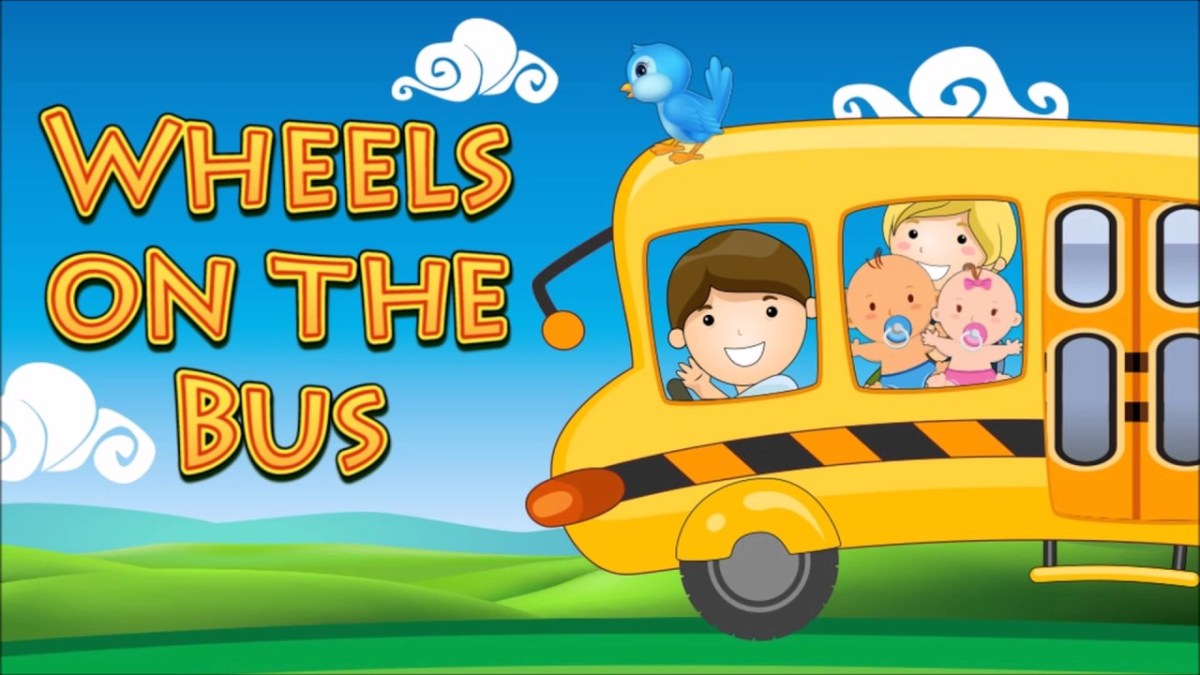
The wheels on the bus go round and round
Round and round, round and round
The wheels on the bus go round and round
All through the town
The doors on the bus go open and shut
Open and shut, open and shut
The doors on the bus go open and shut
All through the town
The people on the bus go up and down
Up and down, up and down
The people on the bus go up and down
All through the town
The wipers on the bus go swish, swish, swish
Swish, swish , swish, swish, swish, swish,
The wipers on the bus go swish, swish, swish
All through the town
The babies on the bus go wah, wah, wah
Wah, wah, wah, wah, wah, wah,
The babies on the bus go wah, wah, wah
All through the town
The mommies on the bus go shh, shh, shh
Shh, shh, shh, shh, shh, shh
The daddies on the bus go shh, shh, shh
All through the town
I grew up with a song, “Here We Go ‘Round the Mulberry Bush”, with the same melody but with different words:
Here we go round the mulberry bush,
The mulberry bush,
The mulberry bush.
Here we go round the mulberry bush
So early in the morning.
This is the way we wash our face,
Wash our face,
Wash our face.
This is the way we wash our face
So early in the morning.
This is the way we comb our hair,
Comb our hair,
Comb our hair.
This is the way we comb our hair
So early in the morning.
This is the way we brush our teeth,
Brush our teeth,
Brush our teeth.
This is the way we brush our teeth
So early in the morning.
This is the way we put on our clothes,
Put on our clothes,
Put on our clothes.
This is the way we put on our clothes
So early in the morning.
Here we go round the mulberry bush,
The mulberry bush,
The mulberry bush.
Here we go round the mulberry bush
So early in the morning.
Further reading:
Here is our nighttime song. Most Americans only know and sing the first verse.
Remember that children like routines and find familiarity comforting. I suggest that you sing Twinkle Twinkle Little Star as part of your bedtime routine with your child.
Twinkle, twinkle, little star,
How I wonder what you are.
Up above the world so high,
Like a diamond in the sky.
Twinkle, twinkle, little star,
How I wonder what you are.
Here’s the whole song. If you and your children know and sing it, they’ll know more of it than most native speakers.
Twinkle, twinkle, little star,
How I wonder what you are.
Up above the world so high,
Like a diamond in the sky.
Twinkle, twinkle, little star,
How I wonder what you are.
When the blazing sun is gone,
When he nothing shines upon,
Then you show your little light,
Twinkle, twinkle, all the night.
Twinkle, twinkle, little star,
How I wonder what you are.
Then the traveler in the dark,
Thanks you for your tiny spark,
He could not see which way to go,
If you did not twinkle so.
Twinkle, twinkle, little star,
How I wonder what you are.
In the dark blue sky you keep,
And often through my curtains peep,
For you never shut your eye,
Till the sun is in the sky.
Twinkle, twinkle, little star,
How I wonder what you are.



 Joseph English Kiddie Class